

high quality tempered glass
Tipi di Valvole di Controllo Una Guida Completa Le valvole di controllo sono dispositivi fondamentali in molti sistemi industriali e commerciali, poiché regolano il flusso di fluidi e gas in modo preciso e affidabile. Esistono diversi tipi di valvole di controllo, ciascuna progettata per soddisfare specifiche esigenze operative. In questo articolo, esploreremo i principali tipi di valvole di controllo, le loro caratteristiche e le applicazioni più comuni. 1. Valvole a sfera Le valvole a sfera sono tra le più diffuse per il controllo del flusso. Caratterizzate da una sfera cavo che ruota per aprire o chiudere il passaggio del fluido, offrono una bassa resistenza al flusso e una buona capacità di tenuta. Queste valvole sono particolarmente adatte per applicazioni che richiedono un'azione rapida e una tenuta affidabile. 2. Valvole a farfalla Le valvole a farfalla utilizzano un disco rotante per regolare il flusso del fluido. Sono leggere, compatte e offrono un eccezionale controllo del flusso, riducendo la perdita di carico. Queste valvole sono spesso utilizzate in applicazioni con grandi volumi di flusso, come nei sistemi HVAC e nelle condutture di grandi dimensioni. 3. Valvole di regolazione Le valvole di regolazione sono progettate per mantenere il flusso o la pressione a un livello predeterminato. Queste valvole possono essere operati manualmente o automaticamente, in base alle esigenze del sistema. Sono essenziali in applicazioni chimiche e di processo, dove è necessario monitorare e controllare con precisione le variabili operative. various types of control valves 4. Valvole a globo Le valvole a globo sono ideali per applicazioni che richiedono un controllo preciso del flusso. Hanno un design che consente un’ottima regolazione della portata, rendendole adatte per l'uso in sistemi di alimentazione e distribuzione. Anche se possono presentare una maggiore resistenza al flusso rispetto ad altri tipi di valvole, la loro capacità di regolazione le rende una scelta popolare. 5. Valvole di sicurezza Queste valvole sono progettate per proteggere i sistemi da sovrapressioni. Operano automaticamente per aprirsi quando la pressione supera un certo livello, consentendo al fluido di fuoriuscire e prevenendo danni alle attrezzature. Sono cruciali in impianti industriali, dove la sicurezza è una priorità. Applicazioni delle valvole di controllo Le valvole di controllo trovano applicazione in una vasta gamma di settori, tra cui quello chimico, petrolifero, energetico, HVAC e alimentare. Sia che si tratti di regolare la temperatura in un impianto di produzione, di mantenere pressioni stabili in un sistema di distribuzione o di gestire flussi di liquidi in una raffineria, le valvole di controllo sono essenziali per il buon funzionamento di questi processi. Conclusione La scelta del tipo di valvola di controllo giusta dipende da vari fattori, tra cui la natura del fluido, la pressione e la temperatura del sistema, nonché dalla precisione richiesta nel controllo del flusso. Conoscere le diverse tipologie di valvole e le loro applicazioni può aiutare ingegneri e tecnici a fare scelte informate, assicurando l’efficienza e la sicurezza delle operazioni industriali. Sia che si tratti di una valvola a sfera o di una valvola di regolazione, ogni tipo ha il suo ruolo cruciale nell’ottimizzazione dei sistemi di controllo.
about
high quality tempered glass
Selecting the optimal materials for backcheck valves deployed in corrosive, high-pressure, or abrasive environments is a critical wholesale procurement decision. Material failure can trigger system-wide shutdowns, safety hazards, and costly bulk replacements. This guide equips wholesale buyers with technical frameworks to specify valves engineered for longevity. At the core of Storaen (Cangzhou) International Trading Co. portfolio lies its unparalleled expertise in cast iron welding platforms, measuring tools, plug gauges, ring gauges, and valves. These products, crafted with meticulous attention to detail and backed by stringent quality control measures, embody the hallmark of reliability and durability, catering to the diverse needs of industries worldwide. Situated amidst a bustling ecosystem of top-tier raw material suppliers and skilled labor, Storaen (Cangzhou) International Trading Co. gains a competitive edge, ensuring access to premium resources that fuel its manufacturing prowess. Why Material Choice Dictates Backcheck Valve Survival in Harsh Settings The operating environment directly determines material compatibility for backflow check valves . Wholesale buyers must prioritize chemical, thermal, and mechanical resilience. Chemical Attack Prevention: Acids, alkalis, and solvents degrade incompatible metals. Example:Chlorides in seawater rapidly stainless steel but minimally affect super duplex backcheck valves . Abrasion & Erosion Resistance: Slurries or particulate-laden flows erode valve seats. Tungsten-carbide coatings extend slow closing check valve lifespan in mining applications. Temperature Extremes: Cyclic thermal stress cracks brittle materials. For steam lines, carbon steel bodies outperform standard brass backflow check valves . Pressure Spikes: High-PSI systems demand hardened alloys. The Wholesale Buyer’s B ackflow C heck V alve Material Selection Protocol Implement this 5-step methodology for bulk backflow check valve procurement: Threat Mapping: Audit fluid composition, max pressure/temperature, and abrasive solids. Test immersion samples if uncertain. Compliance Verification: Demand mill test reports validating alloy composition. For potable water, requirecertification on slow closing check valves . Seal & Seat Synergy: Pair metal bodies with chemically compatible seals. Example:seats for hydrocarbon backcheck valves . Accelerated Life Testing: Require suppliers to provide salt spray and pressure cycling test data on sample valves. Spare Parts Standardization: Order matching seal kits and balls with initial bulk purchase – reduces future downtime. Strategic Sourcing: Securing Industrial-Grade Backcheck Valves at Scale Wholesale success hinges on supplier capabilities and logistics: Volume Manufacturing Capacity: Confirm ability to produce batches with metallurgical consistency. Laser-marked material grades prevent mix-ups. Raw Material Traceability: Insist oncertificates tracking alloy origin – critical for compliance. Customization Flexibility: Suppliers should offer tailored coatings or specialized trim for unique slow closing check valve requirements. Global Logistics: Prioritize partners with compliant packaging (vapor corrosion inhibitors, desiccant packs) for overseas bulk shipments. Lifecycle Cost Analysis: Calculate overyears – premium alloys often deliversavings versus replacements of inferior backflow check valves . FAQ: Material Dilemmas for Backcheck Valve Wholesalers How do I verify material authenticity in bulk backcheck valve shipments? Demand original mill test reports with heat numbers matching valve markings. Conduct handheld XRF alloy verification on of received backcheck valves per batch. Are polymer-bodied backflow check valves viable for chemical plants? Limited to low-pressure/low-temperature applications. Metal-bodied backflow check valves remain superior for harsh industrial use. What certifications are non-negotiable for corrosive service backcheck valves? Sulfide stress cracking, offshore, and pressure integrity. Can we mix materials within a slow closing backflow check valve assembly? Yes – strategically. Example: 316L body with ball for sulfuric acid service versus full slow closing check valves . Ensure galvanic compatibility. Why invest in super duplex for seawater backflow check valves instead of 316L? Super duplex withstands chloride concentrations higher than 316L. In desalination plants, it lasts years versus years for 316L . In harsh environments, material selection isn’t an incremental cost – it’s insurance against catastrophic failure. Wholesale buyers who master alloy science and supplier vetting achieve lower lifetime costs. Remember: Documented material traceability, accelerated testing data, and spare parts integration transform bulk backcheck valve procurement from a commodity purchase to a strategic asset. Partner with manufacturers to turn extreme conditions into manageable variables. By understanding the material science behind alloys, buyers can specify components that not only meet but exceed the demands of harsh conditions. This involves working closely with suppliers who can provide detailed documentation of material traceability, ensuring that each component can be traced back to its raw materials and manufacturing process. Additionally, accelerated testing data provides insights into how the valve will perform over its lifetime under extreme conditions, allowing for proactive maintenance and replacement strategies. Integrating spare parts into the procurement process ensures that critical components are always on hand, minimizing downtime and maximizing operational efficiency. Together, these strategies transform the procurement of backcheck valves from a routine expense into a strategic investment in the reliability and longevity of the overall system.
-

High quality industrial productsagement

High quality industrial products
View Details -

Meet the diverse needs of customers

Meet the diverse needs of customers
View Details -

Strict quality control

Strict quality control
View Details -

Top raw materials

Top raw materials
View Details -

Trusted supplier

Trusted supplier
View Details
Our application
news and information
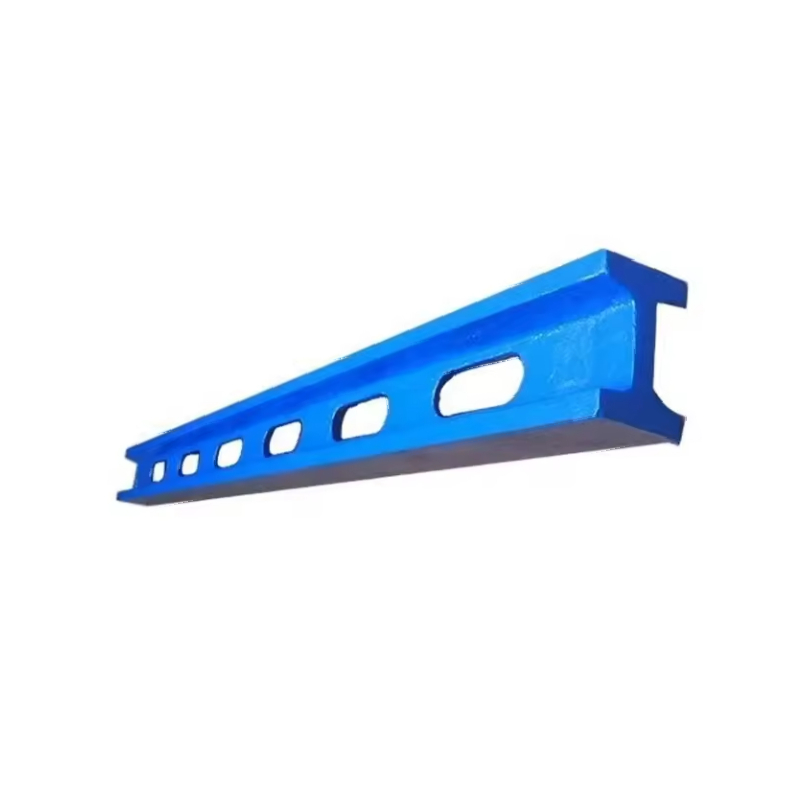
Welding Station Design for Enhanced Efficiency and Precision
The Importance of a Welding Workbench in Fabrication Welding is a crucial process in various industr
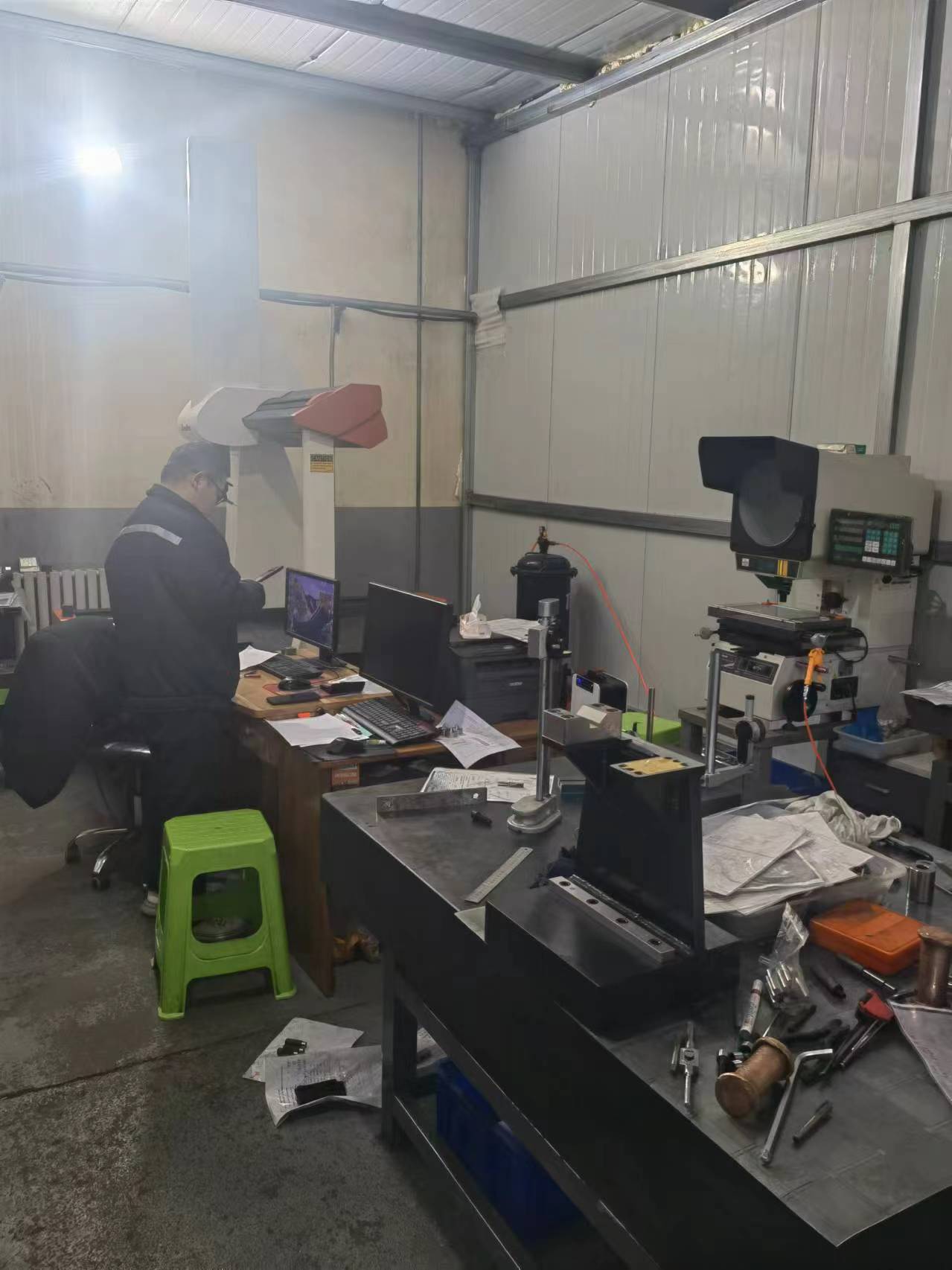
Venda de válvulas de retenção
Válvulas de Retenção A Escolha Perfeita para Seu Sistema Hidráulico As válvulas de retenção, também

y type strainer filter
Understanding Y Type Strainer Filters Importance and Applications In various industrial processes, t
 English